

Blog
Custom Sportswear Manufacturer Pakistan: Complete Guide for Established Brands (2026)

Why Established Brands Choose Pakistan for Sportswear Manufacturing
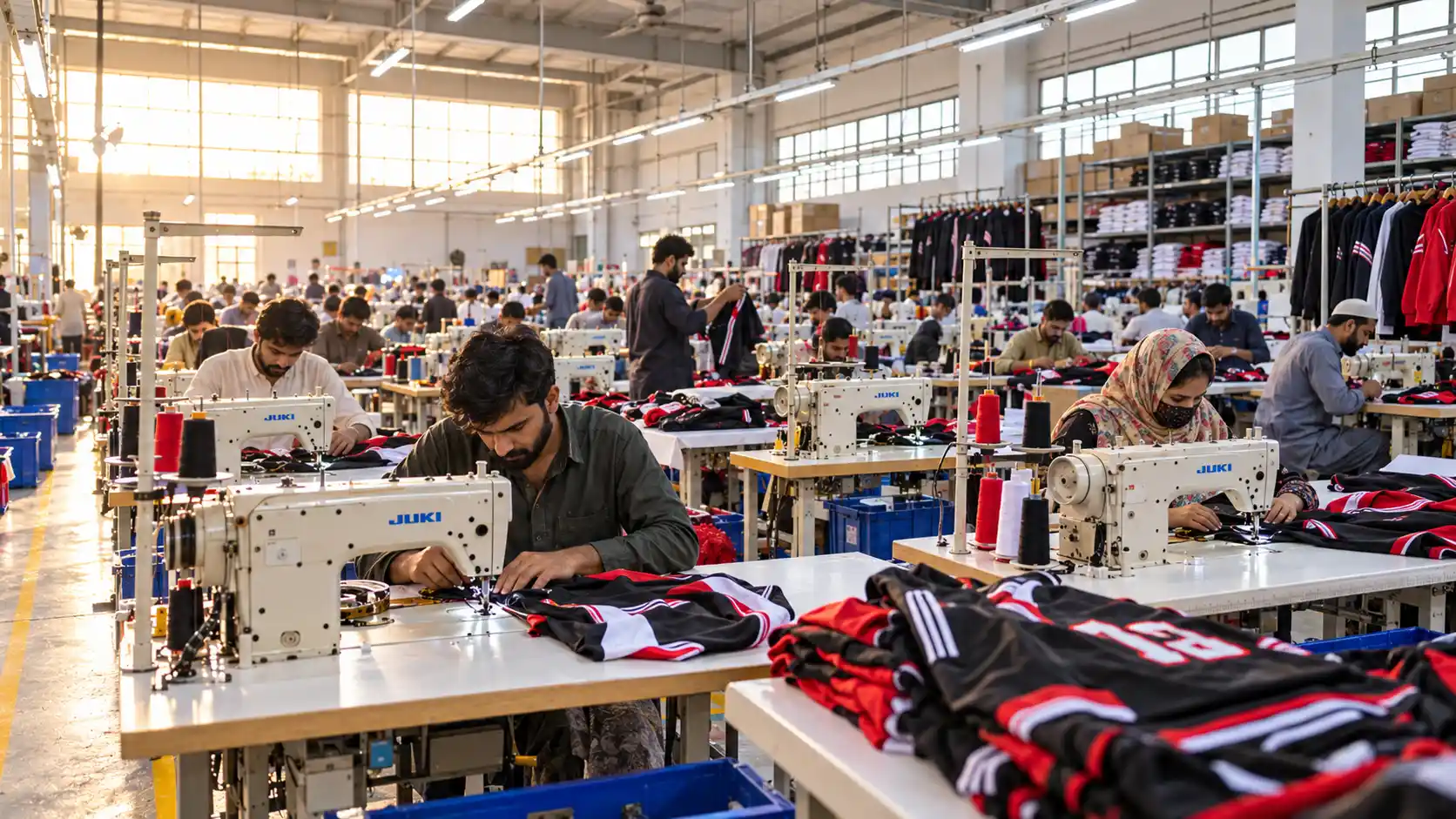
The global sportswear market is shifting. As China’s export costs rise and EU compliance requirements tighten, established brands are evaluating Pakistan as their primary manufacturing destination. Sialkot, Pakistan, has emerged as a leading hub for custom sportswear production — and few manufacturers are positioned to serve the 500+ units-per-style segment that defines serious B2B operations.
At Adrees Enterprises, we specialize in manufacturing for brands that have moved beyond sampling. Our FBR-registered, SCCI-registered, facility delivers the compliance, scale, and quality that established apparel brands require. This guide explains why Pakistan — and specifically our operation in Sialkot — is the right manufacturing partner for your brand’s growth.
What Makes Pakistan a Leading Sportswear Manufacturing Destination?
Pakistan produces over 60% of the world’s cricket equipment and has built deep expertise in athletic wear production. The country offers several structural advantages for established brands:
Cost Competitiveness Without Quality Compromise
Labor costs in Sialkot remain significantly lower than Southeast Asian alternatives, while technical skill levels match decades of specialization in sportswear. Together, this creates competitive per-piece pricing at volume without sacrificing construction quality.
Geographic Positioning for Global Markets
Sialkot’s location provides manageable transit times to both European and North American markets. Ports in Karachi and Casablanca routes through Europe enable reliable shipping schedules that align with brand seasonal planning.
Certification Infrastructure
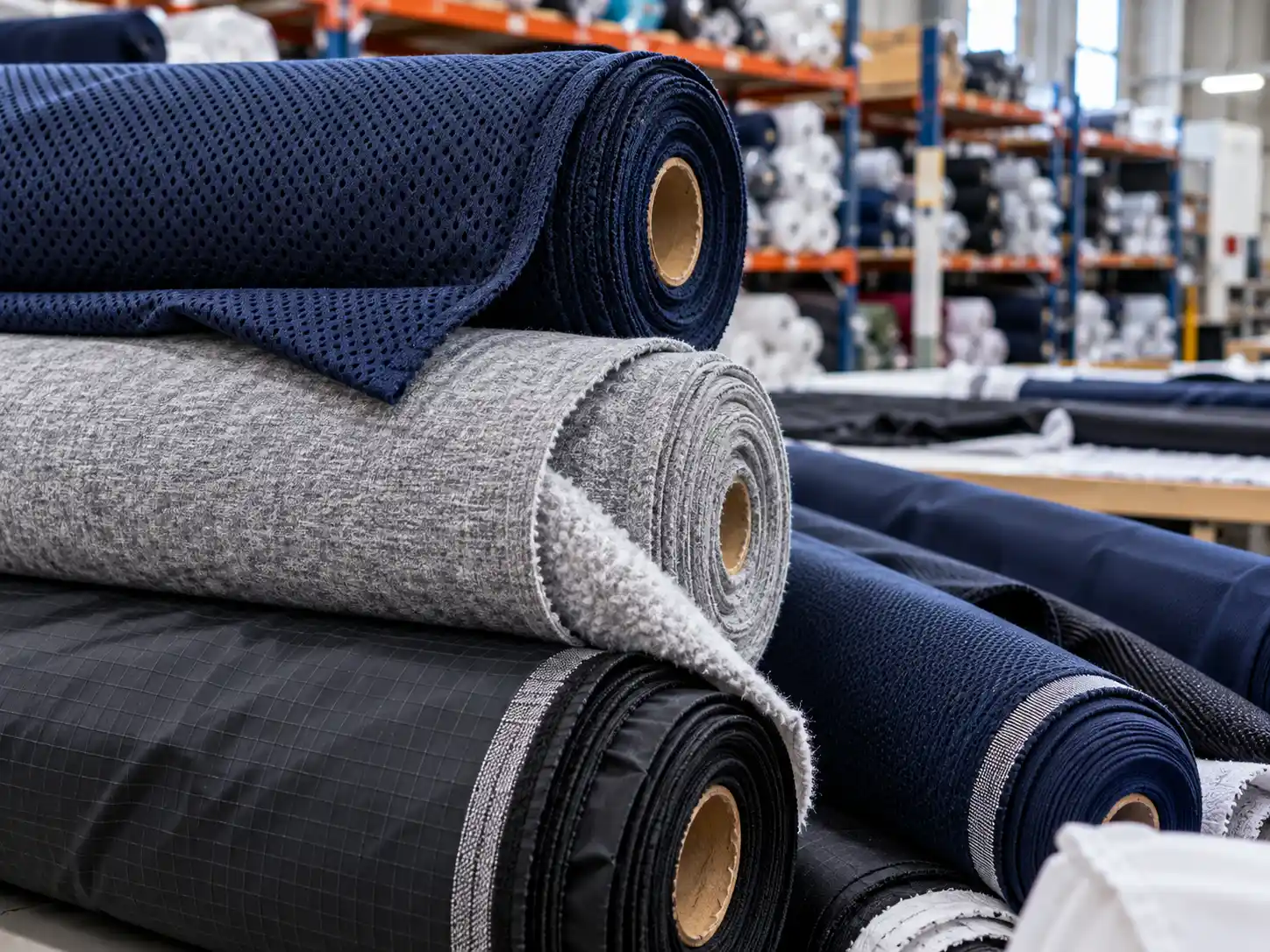
Pakistan’s textile sector has invested heavily in international certification compliance. Manufacturers serving export markets hold combinations of certifications that address EU regulatory requirements, sustainability demands, and buyer audit standards. GOTS certification — the gold standard for organic textiles — is held by select facilities in Sialkot, including Adrees Enterprises.
Understanding GOTS Certification: Your Competitive Advantage
Global Organic Textile Standard (GOTS) certification represents more than a badge. It signals verified organic fiber sourcing, responsible processing across the entire supply chain, and compliance with environmental and social criteria that increasingly matter to buyers and regulators.
Why GOTS Matters for Established Brands
EU markets now require documentation of sustainable sourcing. The Digital Product Passport (DPP) regulation, coming into effect under the EU Strategy for Sustainable and Circular Textiles, will mandate traceability information for textile products. Brands sourcing from GOTS-certified manufacturers gain a compliance head start.
GOTS v8.0 — the updated standard taking effect in March 2027 — introduces additional requirements around chemical management and traceability. Manufacturers already certified under previous versions need to adapt; having a GOTS-certified partner positions your brand for this transition.
Verifying GOTS Certification Legitimacy
Not all certification claims are equal. To verify a manufacturer’s GOTS status:
- Request the certificate number from the manufacturer
- Cross-reference on the Global Organic Textile Standard database
- Confirm scope covers the exact products you’re ordering
- Check certificate validity date — certifications require annual renewal
Adrees Enterprises holds current GOTS certification. We encourage clients to verify independently; transparency builds lasting partnerships.
GOTS vs. OEKO-TEX: Understanding the Difference
Many buyers confuse GOTS with OEKO-TEX certification. Here’s the distinction:
- GOTS certifies organic fiber content and entire processing chain — from harvesting to finished product
- OEKO-TEX tests final products for harmful substances but doesn’t verify organic content or supply chain practices
A manufacturer can hold OEKO-TEX without holding GOTS. Adrees Enterprises holds GOTS certification. We do not claim OEKO-TEX certification, and we recommend buyers understand which standard aligns with their brand positioning and market requirements.
The 500+ Unit MOQ Advantage: Why Scale Matters
The Pakistan sportswear manufacturing market splits into two segments: low-MOQ producers targeting startups (20-100 pieces) and full-capacity facilities serving established brands (500+ pieces per style). Most online content and manufacturer outreach targets the startup segment.
This creates an opportunity for brands already operating at scale.
What 500+ Units Enables
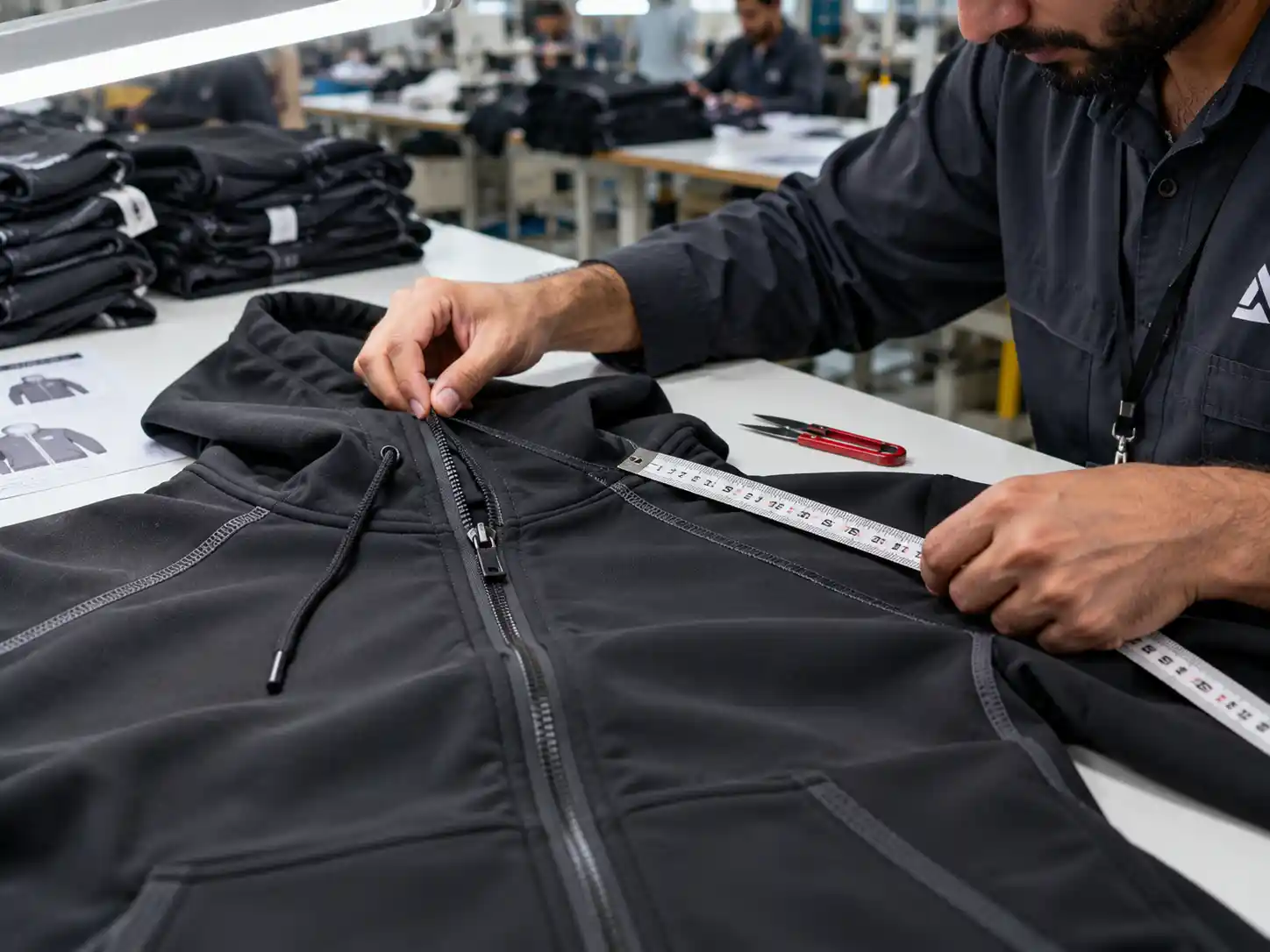
Consistent Quality Control: Larger production runs allow proper quality assurance processes, standardized cutting layouts, and consistent dye lots. Small-batch production often compromises on these elements to meet unrealistic deadlines.
Competitive Per-Piece Pricing: Volume discounts at 500+ units significantly reduce per-piece cost compared to small orders. The difference between 200 and 1000 unit pricing can be substantial — typically 15-30% depending on garment type and materials.
Dedicated Production Time: Established manufacturers allocate production slots based on order volume. 500+ unit orders receive priority scheduling and dedicated line time, reducing lead times and improving communication quality.
Certification Utilization: GOTS and other certification overhead costs distribute across larger runs. Small orders absorb certification costs inefficiently; larger orders make certification economically meaningful.
Scaling from 500 to 5000+ Units
Brands that begin with 500-unit orders often scale rapidly. A phased approach — starting with core styles and expanding to full collection production — allows quality verification before committing to larger volumes. Established manufacturers in Sialkot routinely handle orders exceeding 50,000 units annually for repeat clients.
How to Choose a Custom Sportswear Manufacturer in Pakistan
Selecting a manufacturing partner requires evaluating multiple factors beyond per-piece pricing. For established brands, these criteria matter most:
Certification Portfolio
Verify certifications relevant to your target markets:
- GOTS for organic and sustainable positioning
- FBR registration for tax compliance and business legitimacy
- SCCI registration for industry credibility (Sialkot Chamber of Commerce & Industry)
- CE marking for products requiring European conformity assessment
A combination of these certifications — particularly GOTS plus FBR/SCCI/CE — is rare among Sialkot manufacturers and signals operational maturity.
MOQ Alignment
Match your brand’s actual volume requirements with the manufacturer’s capacity. If you consistently order 500+ units per style, choose a manufacturer that specializes in that segment rather than one that treats large orders as exceptions.
Compliance Documentation
European buyers increasingly require:
- Supply chain traceability documentation
- Social compliance audit reports
- Environmental management documentation
- Digital Product Passport readiness information
Ask manufacturers directly about their compliance documentation capabilities. Many cannot provide what established European retailers require.
Communication and Process Clarity
Manufacturers serving established brands should demonstrate:
- Clear sampling and approval workflows
- Realistic production timelines with buffer time
- Proactive quality reporting
- Responsive communication across time zones
- Factory visit accommodation for serious partners
References and Track Record
Request client references, particularly from brands operating in similar markets. Established manufacturers should have verifiable export history and recognizable brand partnerships.
The Sialkot Manufacturing Ecosystem
Sialkot produces approximately 60% of the world’s sports goods. The city’s manufacturing ecosystem spans cricket equipment, footballs, boxing gear, and performance sportswear — creating deep technical expertise in athletic product construction.
Infrastructure Advantages
Sialkot’s industrial zones provide reliable utilities, established logistics corridors, and a concentration of specialized suppliers — from yarn and fabric mills to accessory manufacturers. This clustering reduces lead times and simplifies component sourcing.
Specialization in Technical Sportswear
The region’s expertise extends to performance fabrics, moisture-wicking constructions, and athletic-specific pattern engineering. Manufacturers in Sialkot produce for international sportswear brands with demanding technical specifications.
Export Experience
Pakistani sportswear manufacturers export to over 80 countries. Established facilities understand export documentation, compliance requirements, and shipping logistics that streamline the importing brand’s operations.
Ordering Process: From Inquiry to Delivery
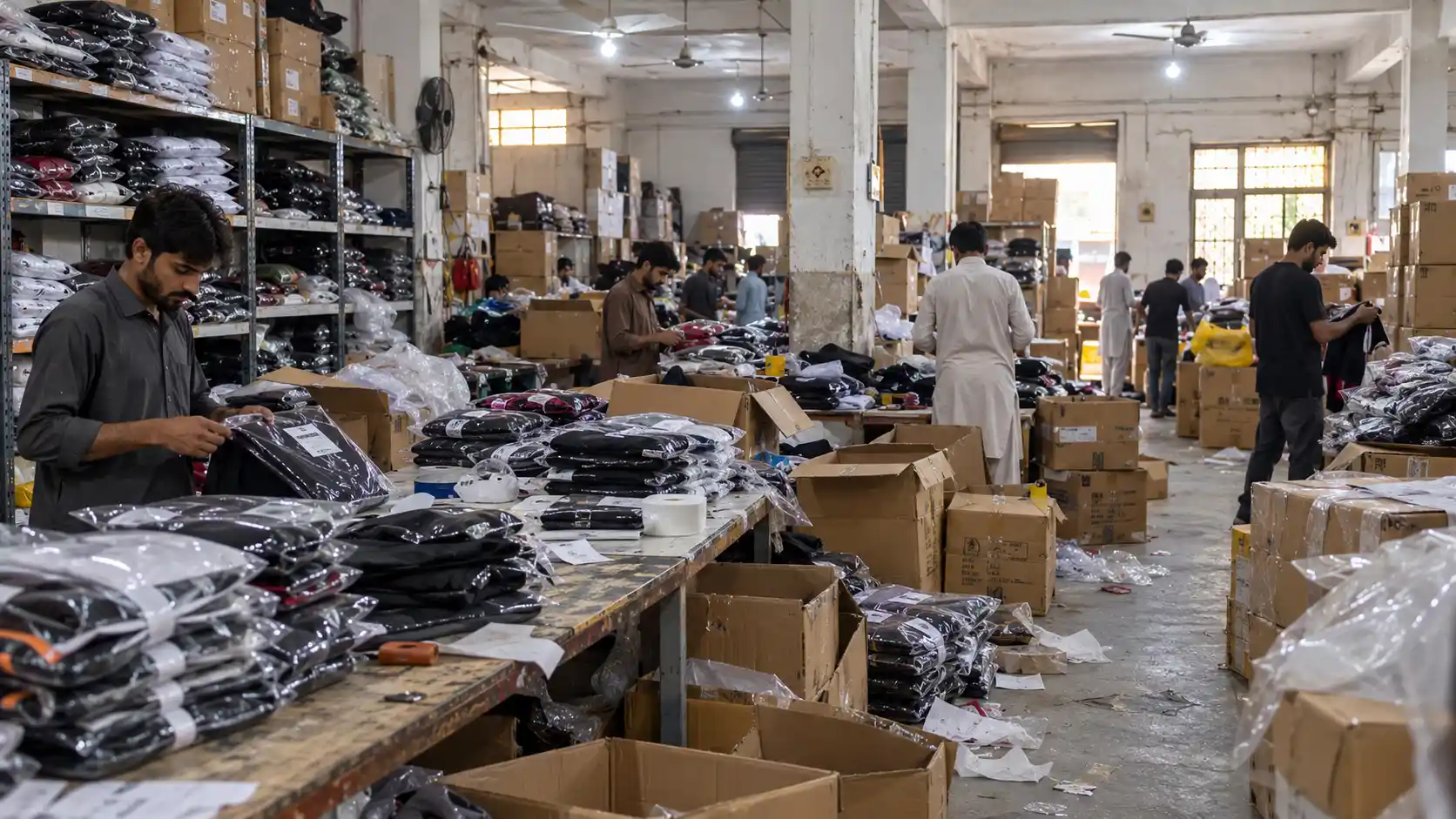
Understanding the production workflow helps established brands plan inventory and marketing timelines effectively.
Phase 1: Design and Sampling (2-4 Weeks)
Submit tech packs or design references. The manufacturer creates physical samples for approval. Expect 1-3 sample iterations for complex garments. Sampling fees apply but typically credit against production orders.
Phase 2: Material Sourcing and Approval (1-2 Weeks)
Fabric, trim, and accessory sourcing begins upon sample approval. GOTS-certified manufacturers source certified organic cotton and other verified materials. Fabric mill tests and compliance documentation should accompany material submissions.
Phase 3: Production (4-8 Weeks for 500+ Units)
Cutting, sewing, quality inspection, and finishing proceed through standardized production lines. Quality checkpoints at critical stages — cutting, assembly, finishing — prevent defects from progressing downstream.
Phase 4: Shipping and Documentation (1-2 Weeks)
Export documentation, customs paperwork, and shipping arrangement complete the process. Manufacturers experienced in international trade handle most compliance documentation; brands should confirm responsibilities during contract negotiation.
Cost Structure: What Established Brands Should Expect
Per-piece pricing for custom sportswear varies by garment type, material, and complexity. The following ranges reflect typical 500+ unit order pricing from Sialkot manufacturers:
| Product Type | Estimated Price Range (per piece) |
|---|---|
| Performance T-shirts | $8-15 |
| Athletic Hoodies | $18-35 |
| Running Shorts | $10-20 |
| Team Jerseys | $12-25 |
| Compression Wear | $15-28 |
These are starting ranges. Final pricing depends on:
- Fabric composition and weight
- Print or embroidery complexity
- Number of colorways per style
- Trim and accessory specifications
- Order quantity tier
Volume discounts apply at 1,000+, 2,500+, and 5,000+ unit levels. Reorder pricing for established brands typically decreases 10-20% from initial production runs.
Common Questions About Pakistan Sportswear Manufacturing
What payment terms are standard?
Established manufacturers typically require 30-50% deposit upon order confirmation, with balance due before shipment. Letter of Credit arrangements are common for large orders. Payment terms should be negotiated and documented before production begins.
Can I visit the factory before committing?
Yes. Reputable manufacturers in Sialkot welcome factory visits from serious buyers. Visits typically include production floor tours, quality control process review, and meetings with production management. Schedule visits during business hours (Sunday-Thursday in Pakistan) and provide advance notice.
How do I verify a manufacturer’s credentials?
Request copies of business registration, chamber of commerce membership, and certification documents. Verify certification numbers on issuing organization databases. Contact existing clients for references. Adrees Enterprises provides all documentation upon request.
What’s a typical defect rate?
Professional manufacturers target defect rates below 2-3%. Quality control processes should include in-line inspection and pre-shipment examination. Acceptable Quality Limit (AQL) standards apply to most export orders — typically AQL 2.5 for major defects and 4.0 for minor defects.
Do manufacturers handle customs documentation?
Most established manufacturers prepare commercial invoices, packing lists, and certificates of origin. Some also assist with export licensing and other documentation. Confirm responsibilities during the quotation phase.
Why Adrees Enterprises Is Different
Most Sialkot manufacturers compete on price and low MOQ. Adrees Enterprises competes on compliance, scale, and partnership.
Our Certification Combination
We hold GOTS, FBR, SCCI, and CE certifications — a combination unmatched among our peers. This signals operational maturity, regulatory compliance, and commitment to international standards that established brands require.
Our 500+ Unit Focus
We specialize in production runs that serve brands with real revenue and growth plans. Our facility, processes, and quality systems are designed for volume production, not sampling. This alignment means better pricing, consistent quality, and reliable delivery for our clients.
Our Sustainability Commitment
GOTS certification isn’t optional for us — it’s foundational. Our organic cotton sourcing, responsible processing, and environmental management meet standards that increasingly define European and North American retail requirements. As regulations evolve, our compliance infrastructure positions us to support brands through transitions.
Our Partnership Approach
We work with procurement teams, not just purchase orders. Client relationships at Adrees Enterprises typically span multiple seasons and collections. We invest in understanding your brand, your market, and your growth trajectory.
Getting Started: Next Steps for Established Brands
If your brand orders 500+ units per style and requires GOTS-certified, fully compliant manufacturing in Pakistan, we invite you to begin a conversation.
To request a quotation:
- Prepare your tech packs or design references
- Confirm target quantities per style and total order volume
- Specify target delivery timeline
- Note any compliance or audit requirements
To schedule a factory visit:
- Contact us with preferred dates
- Share your brand information and product requirements
- We’ll arrange tours, meetings, and sample review
For compliance documentation:
- Request our certification portfolio
- Ask about DPP readiness and GOTS v8.0 transition plans
- Review our social compliance and environmental management documentation
Adrees Enterprises is a certified, FBR-registered, SCCI-registered, and certified sportswear manufacturer based in Sialkot, Pakistan. We specialize in custom sportswear production for established brands with 500+ unit per style requirements. Contact us to discuss your manufacturing needs.
